
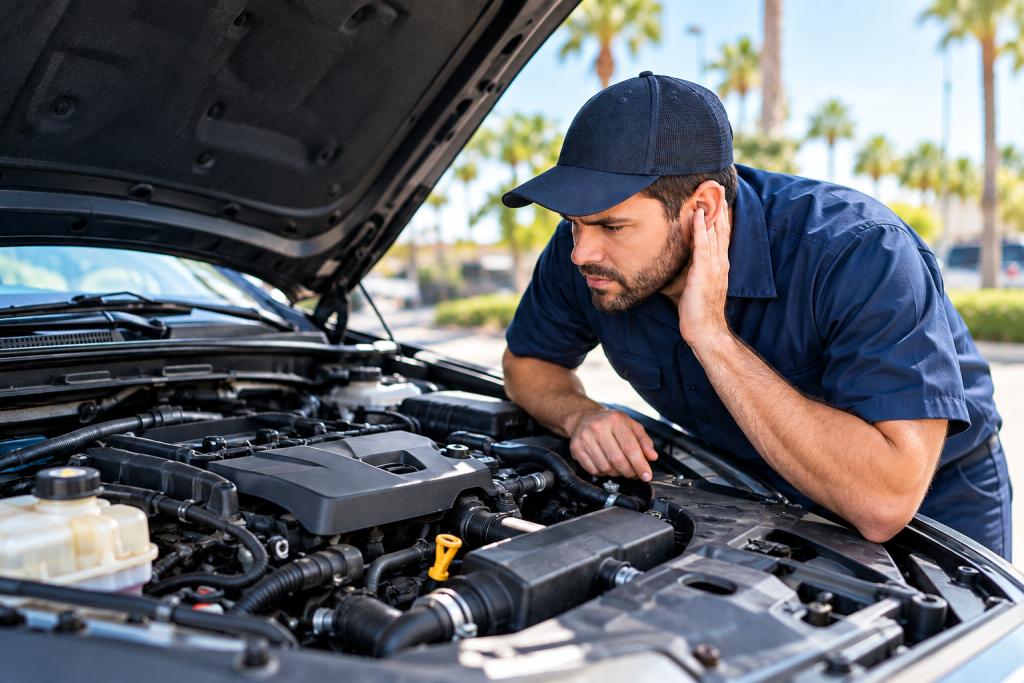
Military life keeps families moving. Orders can arrive with little warning, deployments can last for months, and a permanent change of station can mean driving across several states with children, pets, and a packed trunk. Through all of it, your car has to keep working. For families in the Clarksville area, where many households are tied to Fort Campbell, a little planning can prevent a breakdown at exactly the wrong moment. This guide covers car maintenance tips for military families, including a PCS car checklist for Clarksville drivers, advice for deployments, and preparation for long drives.
Why Military Families Need a Different Maintenance Plan
A typical driver can fix a car problem whenever it comes up. Military families often cannot. A move has a hard deadline. A deployment means one spouse may be away while the other handles everything alone. A car that sits unused for months can develop its own set of problems. Planning ahead turns those situations into manageable tasks instead of emergencies.
Start With a Full Inspection
Whenever you know a move, deployment, or long trip is coming, get a complete inspection as early as you can. Schedule it weeks ahead, not days, so there is time to order parts and do repairs. A thorough inspection should include the following:
- Battery and charging system test
- Brake pads, rotors, and brake fluid
- Tire tread, age, pressure, and condition of the spare
- Engine oil and filter, plus other fluids
- Coolant system, hoses, and belts
- Suspension and steering components
- Lights, wipers, and washer system
- Air conditioning and heater
- Scan for stored trouble codes
Ask the technician for a written list of anything that will need attention soon, so you can decide what to fix before you go and what can wait.
PCS Car Checklist: Before the Move
A permanent change of station often means a long drive on a tight schedule. These steps help the trip go smoothly.
Service the Basics
Change the oil if it is due, and replace the air filter if it looks dirty. Fresh fluids and clean filters help the engine handle many hours of driving. If your car has been hesitating, idling roughly, or getting poor fuel economy, have it checked before you leave, since those symptoms often get worse on a long trip.
Check the Tires Carefully
Tires carry everything: you, your family, and your belongings. A loaded car puts extra stress on them. Check the tread depth, look for cracks or bulges, and set the pressure to the number on the door jamb sticker. If the car will carry heavy cargo, check your owner’s manual for loaded tire pressure guidance. Make sure the spare and the jack are in the car and usable.
Test the Battery and Cooling System
Long drives in summer heat or winter cold test both systems. A weak battery can leave you stranded at a rest stop, and a cooling problem can end a trip on the side of the highway. If your car has trouble starting, our guide to the top 10 reasons your car won’t start and how to get back on the road explains the common causes.
Check the Brakes
A heavily loaded car needs more stopping power, especially in mountains or heavy traffic. Have the pads, rotors, and brake fluid inspected before you go. Do not postpone brake repairs on the assumption that you will handle them at the new location.
Pack for the Unexpected
- Jumper cables or a portable jump starter
- A tire inflator and a basic tool kit
- A flashlight and extra batteries
- Water, snacks, and a first aid kit
- Phone chargers and a paper map in case service is lost
- Blankets and weather appropriate clothing
- Copies of registration, insurance, and your orders or other key documents
Plan for Shipping if Applicable
If your vehicle will be shipped instead of driven, ask the shipper or your transportation office what preparation is required. Rules often cover items like fuel level, personal belongings, and existing damage, and they can change. Take clear photos of the vehicle’s condition before it is picked up and keep copies of your paperwork.
Preparing a Car for Deployment
When a vehicle will sit for months, the goal is to keep it in good shape until it is driven again. Cars that are not used can develop dead batteries, flat spotted tires, stale fuel, and even pest damage.
- Change the oil and filter before storage, since old oil contains contaminants
- Top off the fluids and check for leaks
- Inflate the tires to the recommended pressure, or slightly above if the manual suggests it for storage
- Wash and wax the car, and clean the interior so food and trash do not attract pests
- Consider a fuel stabilizer if the car will sit for a long time, and follow its directions
- Ask a technician how best to protect the battery, such as a battery maintainer or disconnecting it, and which is right for your car
- Park in a garage or covered space if you can, and use a breathable cover rather than plastic
- Do not set the parking brake for long term storage if the manual advises against it, since brakes can stick
Also talk with your insurance company about storage and coverage options, and make sure someone you trust knows where the keys and documents are. If the spouse at home will keep driving the car, make sure it is in dependable shape and that they know who to call for help.
Keeping the Car Ready for Daily Life Near Fort Campbell
Commuting adds up. Daily drives, gate traffic, and highway miles wear on brakes, tires, and fluids. Our article on keeping a car road ready for Fort Campbell commuters covers routine care for drivers who spend a lot of time on the road. Staying on schedule with oil changes, tire rotations, and inspections avoids surprises when time is short.
Tips for Long Drives With the Family
- Start the day with a full tank and stop to refuel before it gets very low
- Check tire pressure when the tires are cold, before you start driving
- Watch the dashboard lights and gauges, and do not ignore warnings
- Take breaks every couple of hours so the driver and the engine can rest
- Listen for new noises, vibrations, or changes in handling
- Keep an eye on the temperature gauge in traffic and on hills
- Know where you will stop for the night and have a backup plan
How a Mobile Mechanic Fits Military Schedules
Finding time for a shop visit is hard when you are packing a house or handling a household alone. A mobile mechanic can come to your home or workplace, perform the inspection, and handle many repairs on the spot, such as battery replacement, brake service, oil changes, and belt replacement. That saves a trip and fits around your schedule. Some jobs need a full shop, and a trustworthy technician will tell you so. Book as early as you can, since orders and move dates do not move.
Be Ready Before Orders Change Your Plans
A dependable car makes every transition easier. Get the inspection done early, fix the important items, pack a basic kit, and prepare the vehicle properly for storage or travel. A few hours of preparation can prevent days of trouble.
To learn more about our services, visit our homepage. When you are ready to schedule an inspection before a move or deployment, reach out through our contact us page and we will come to you anywhere in the Clarksville area.